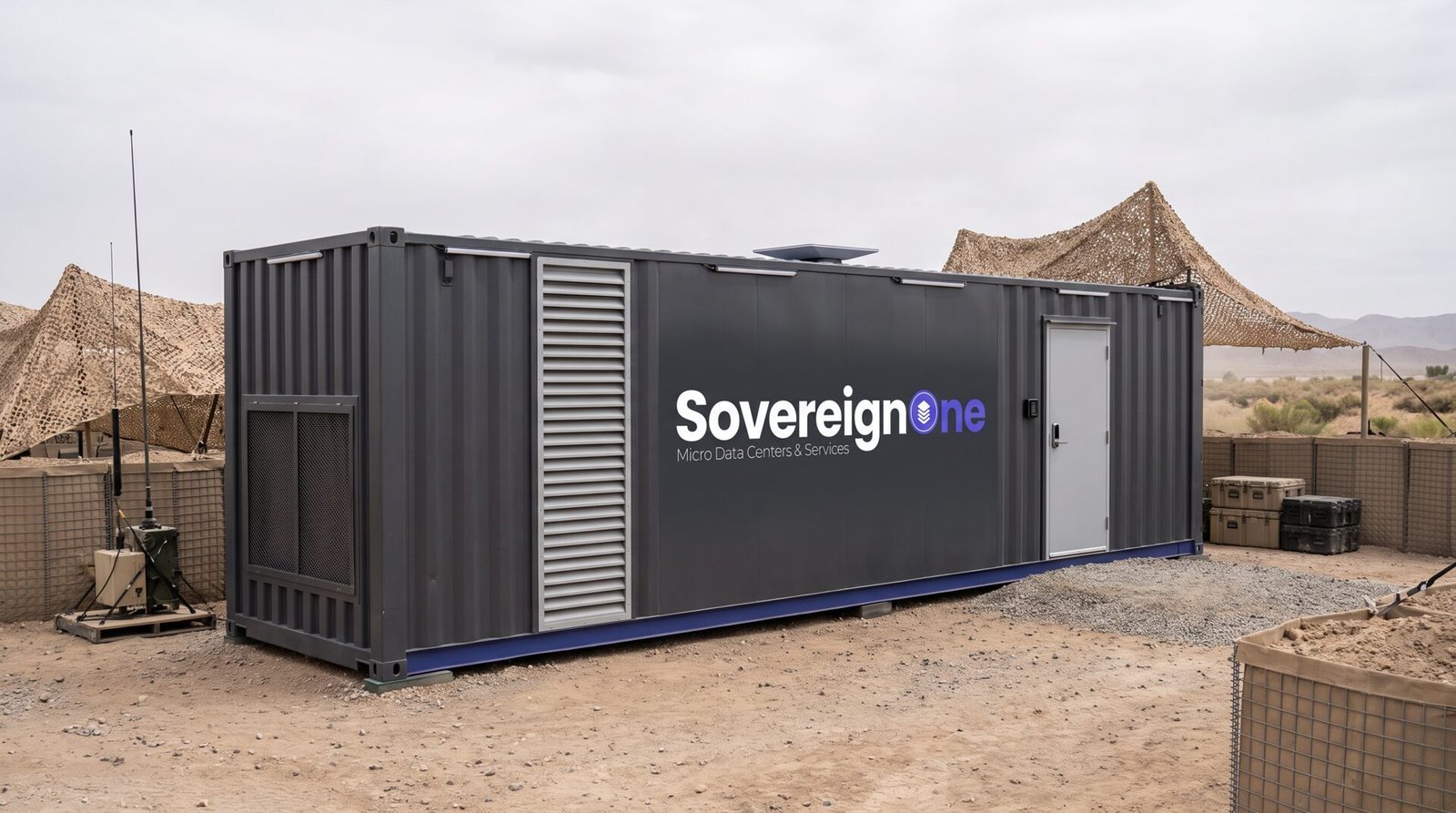
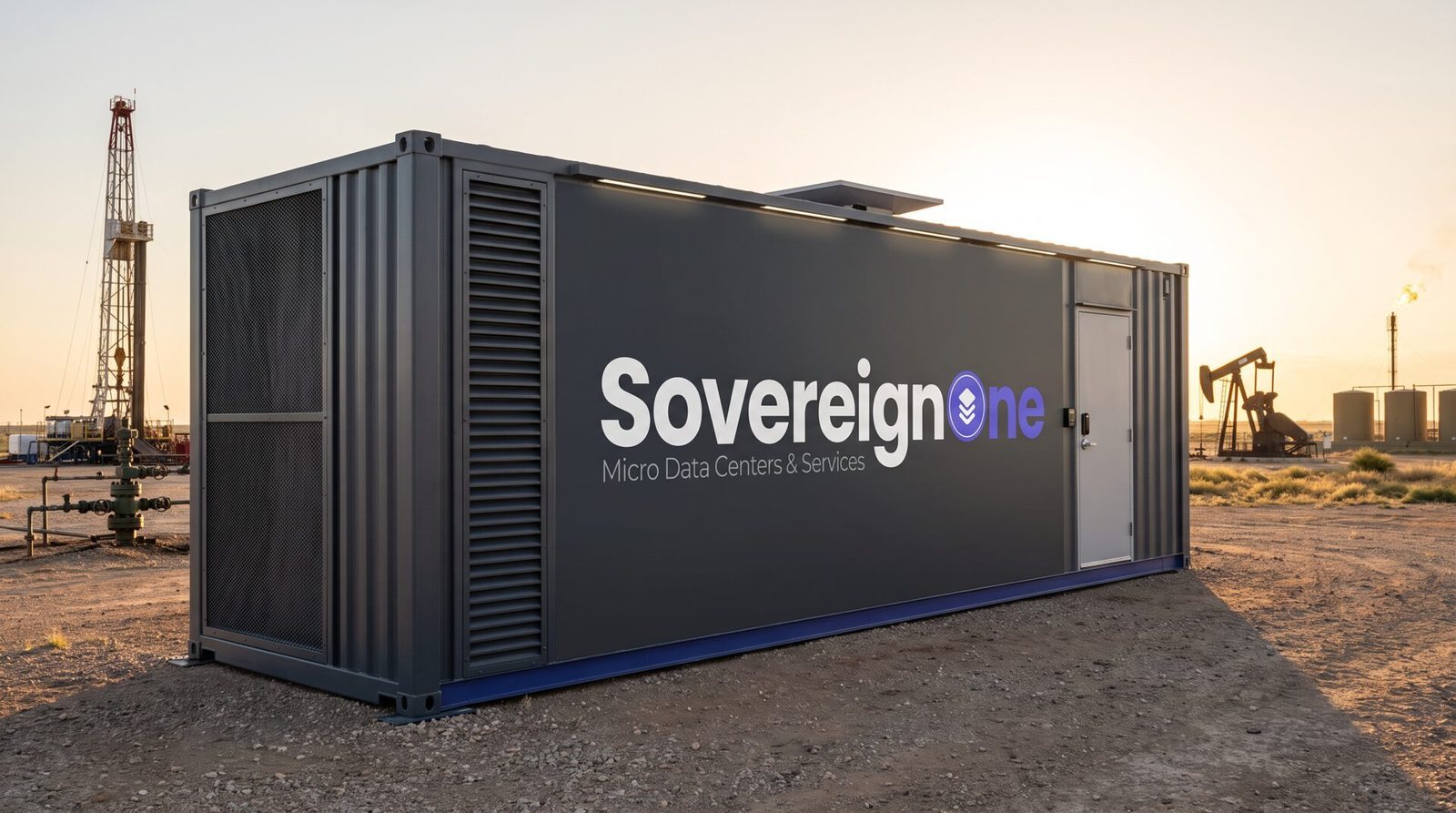
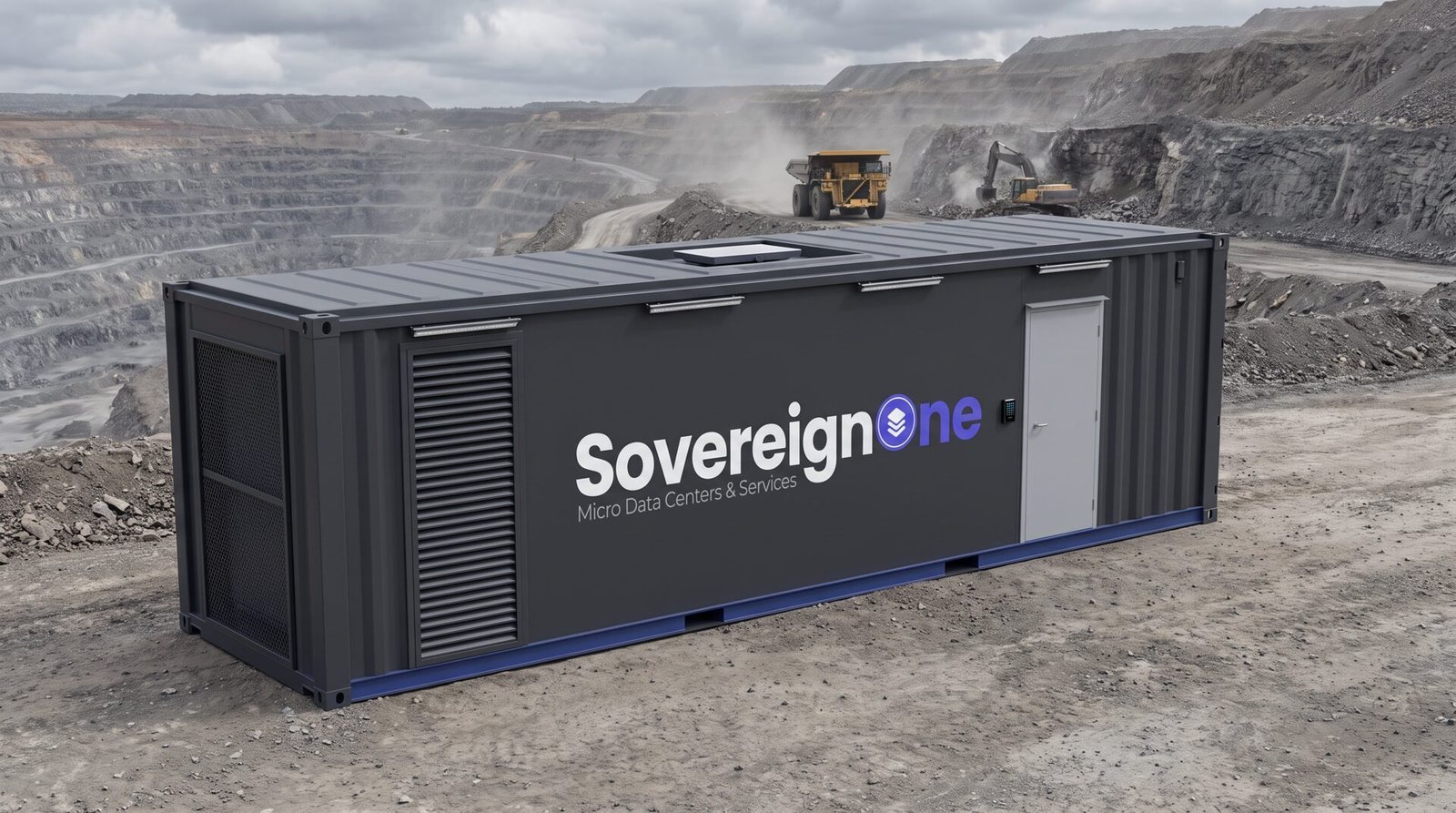
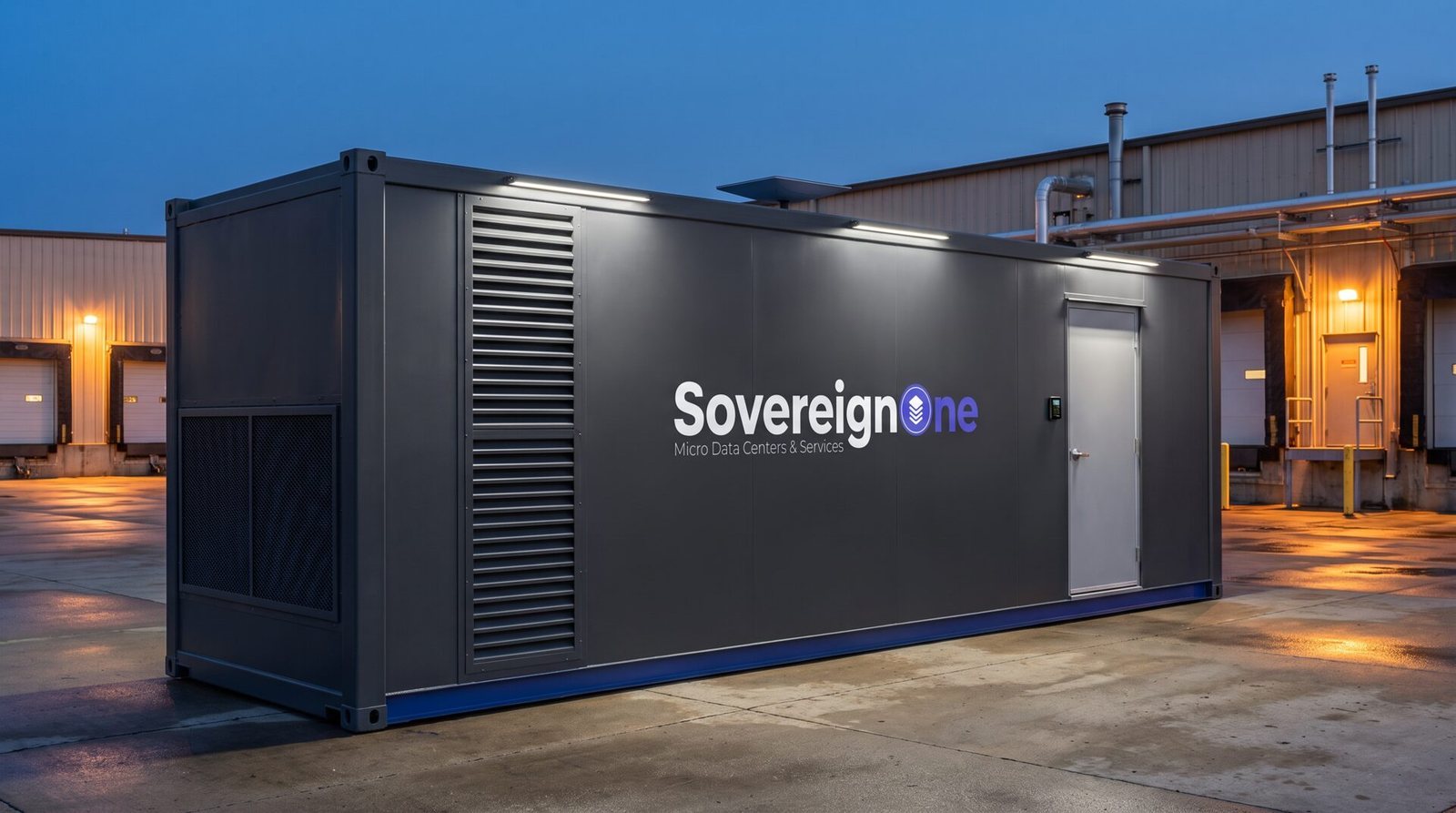
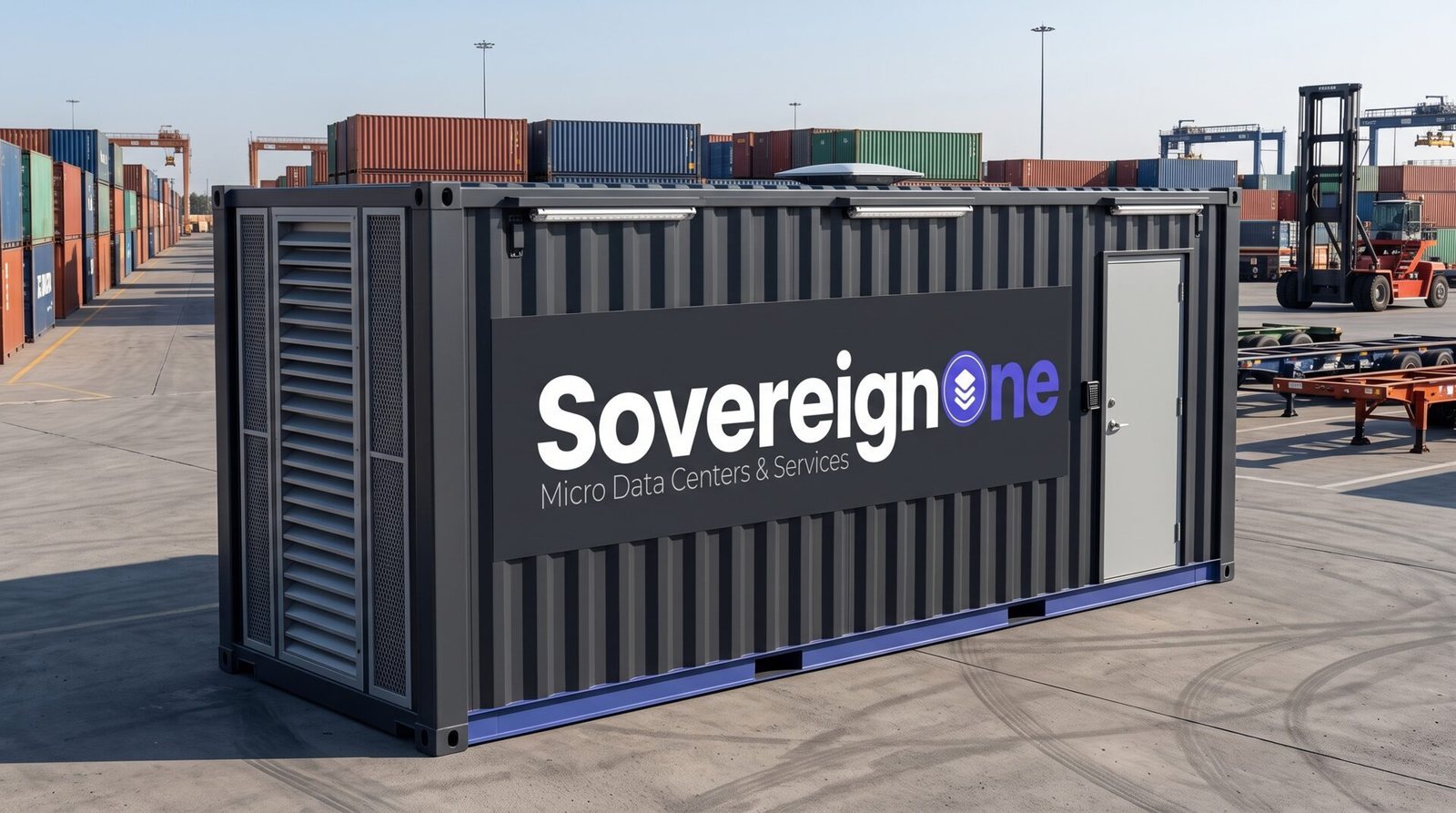
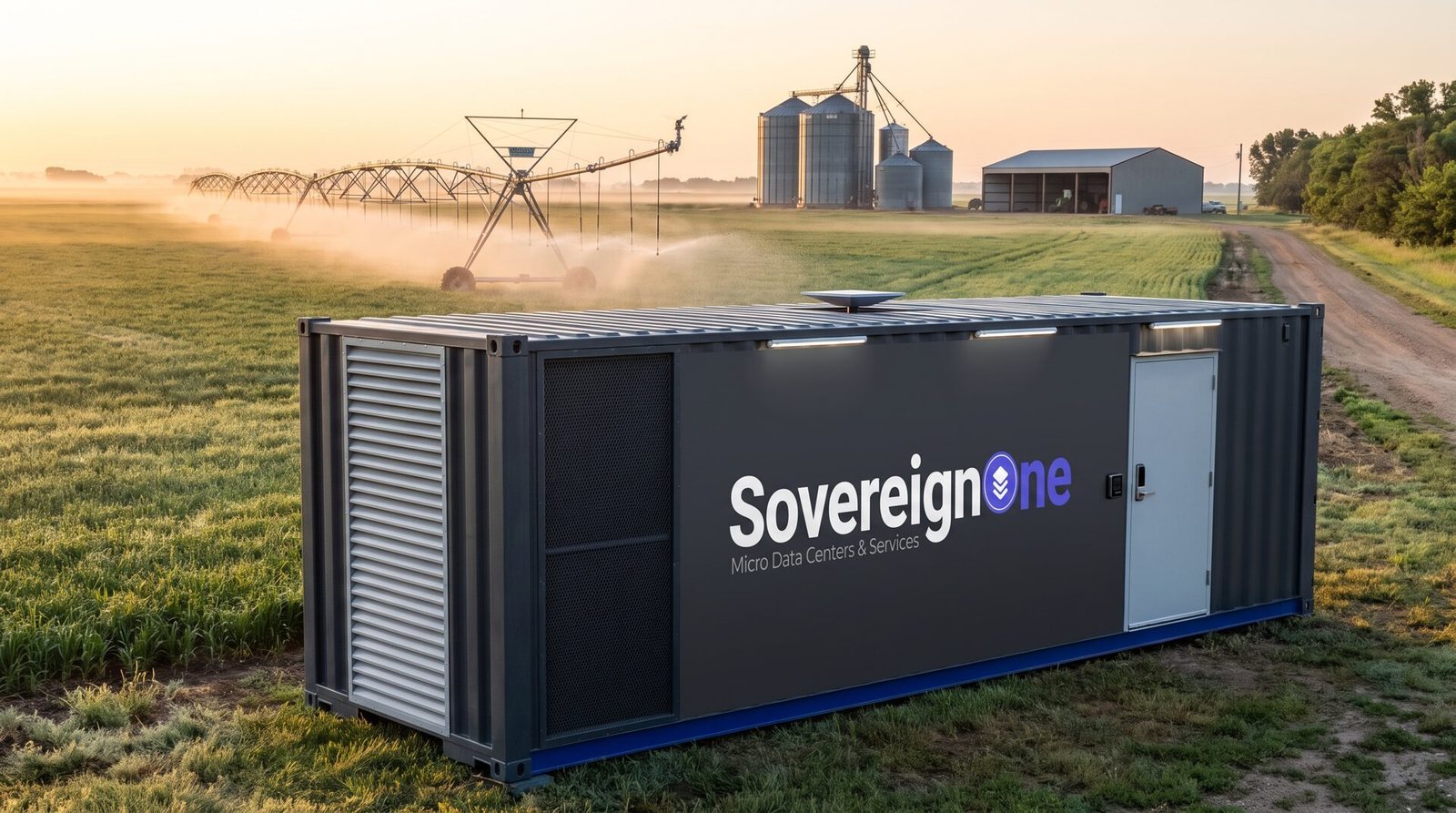
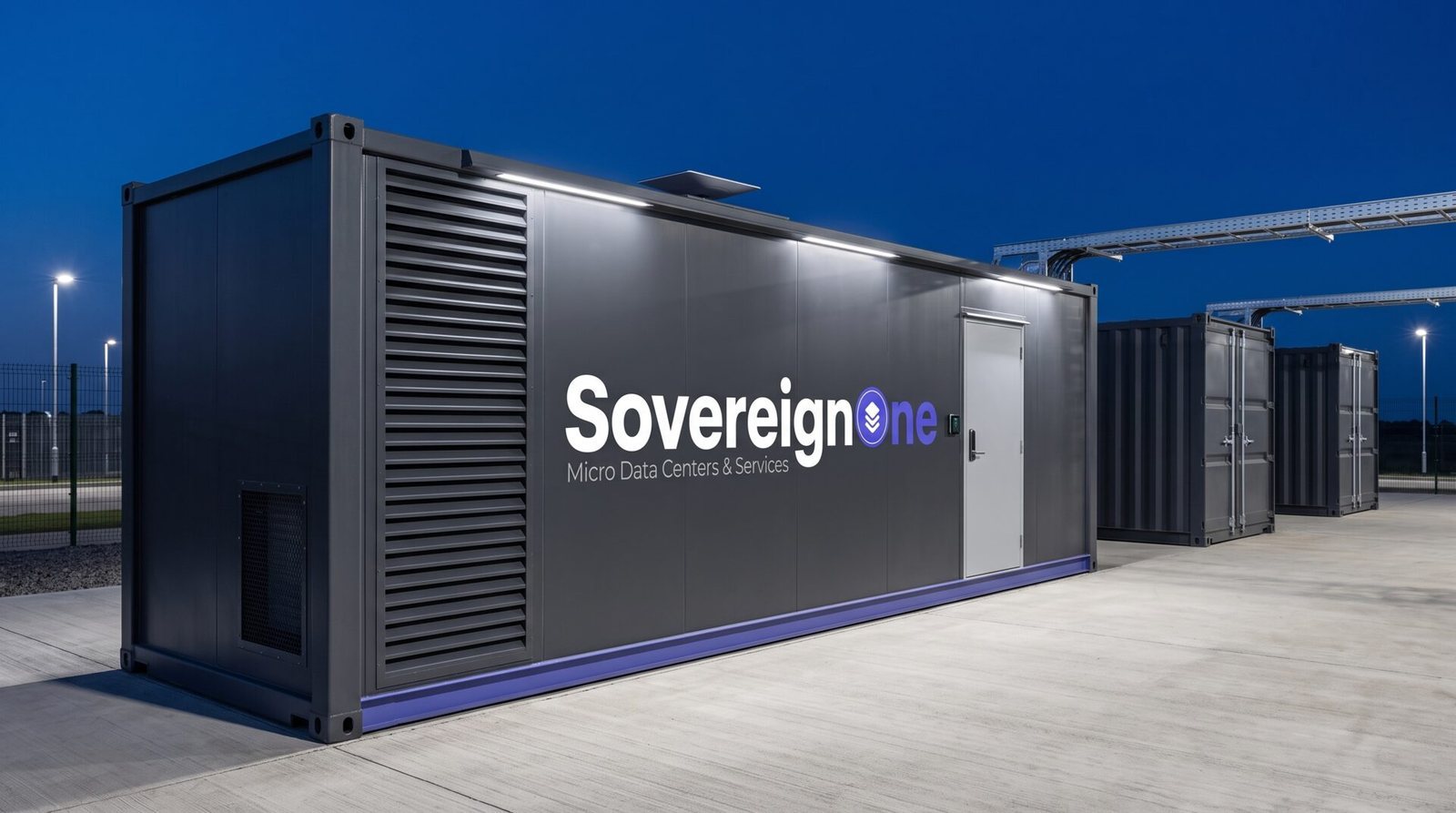
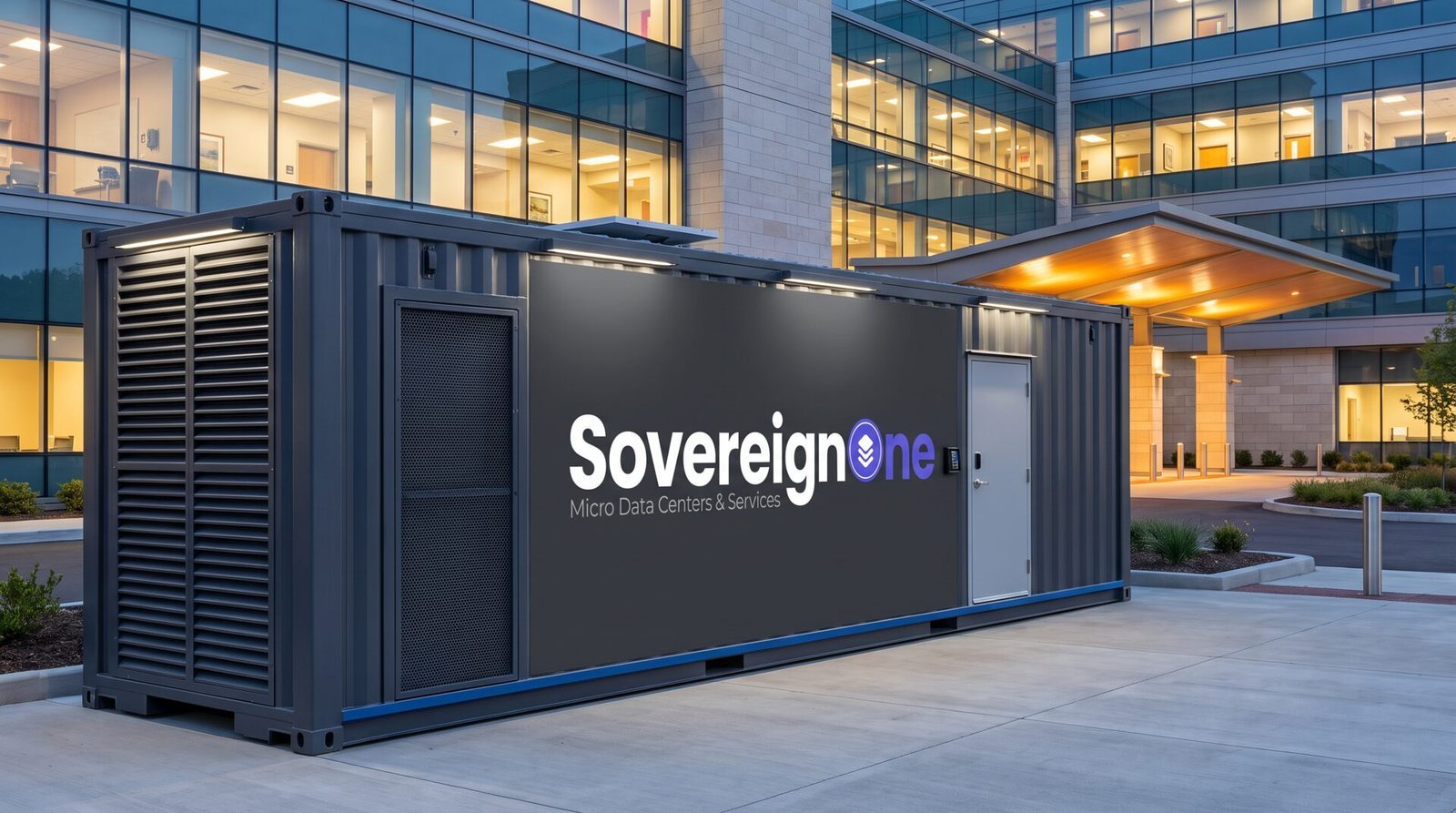
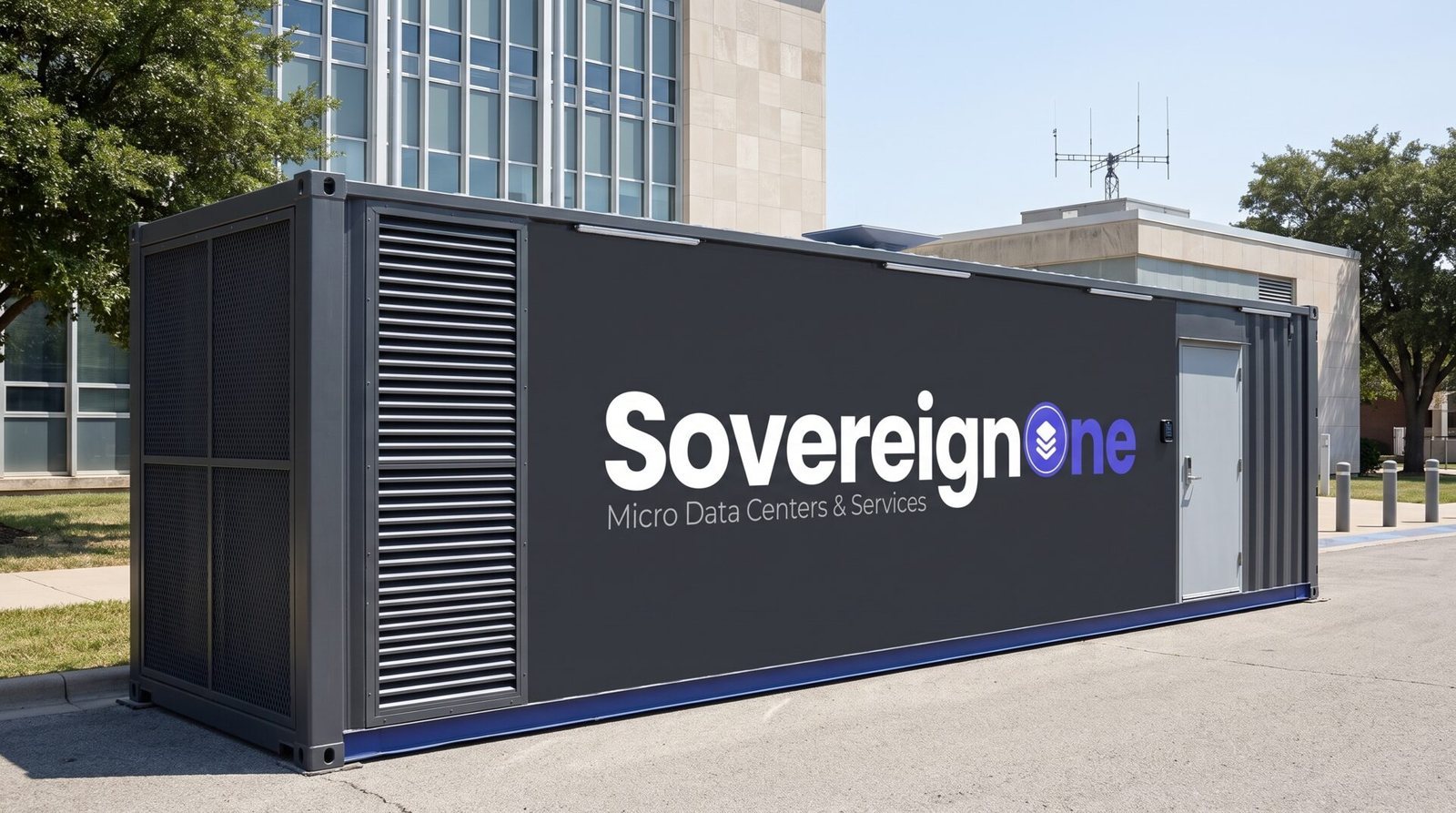
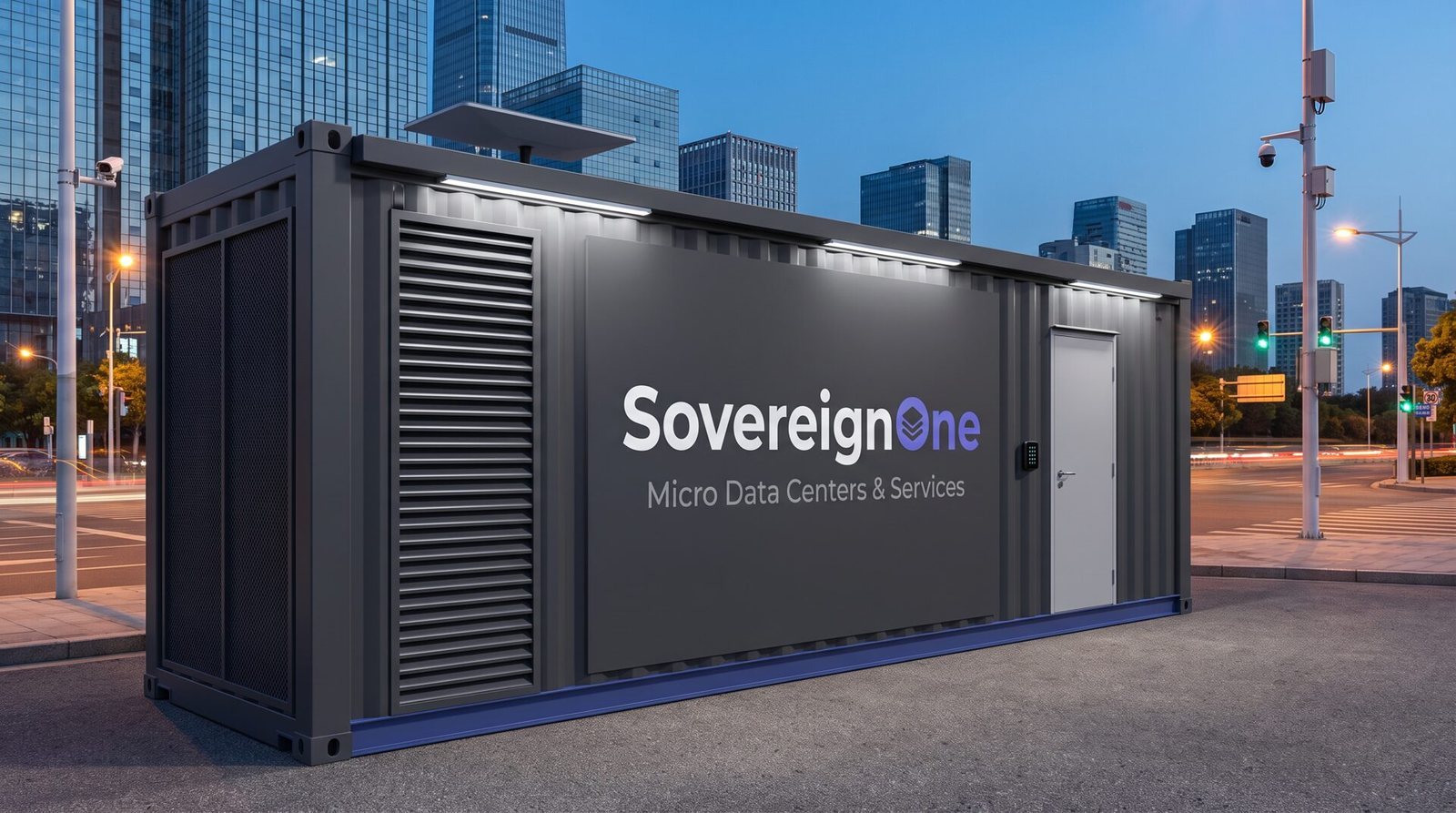
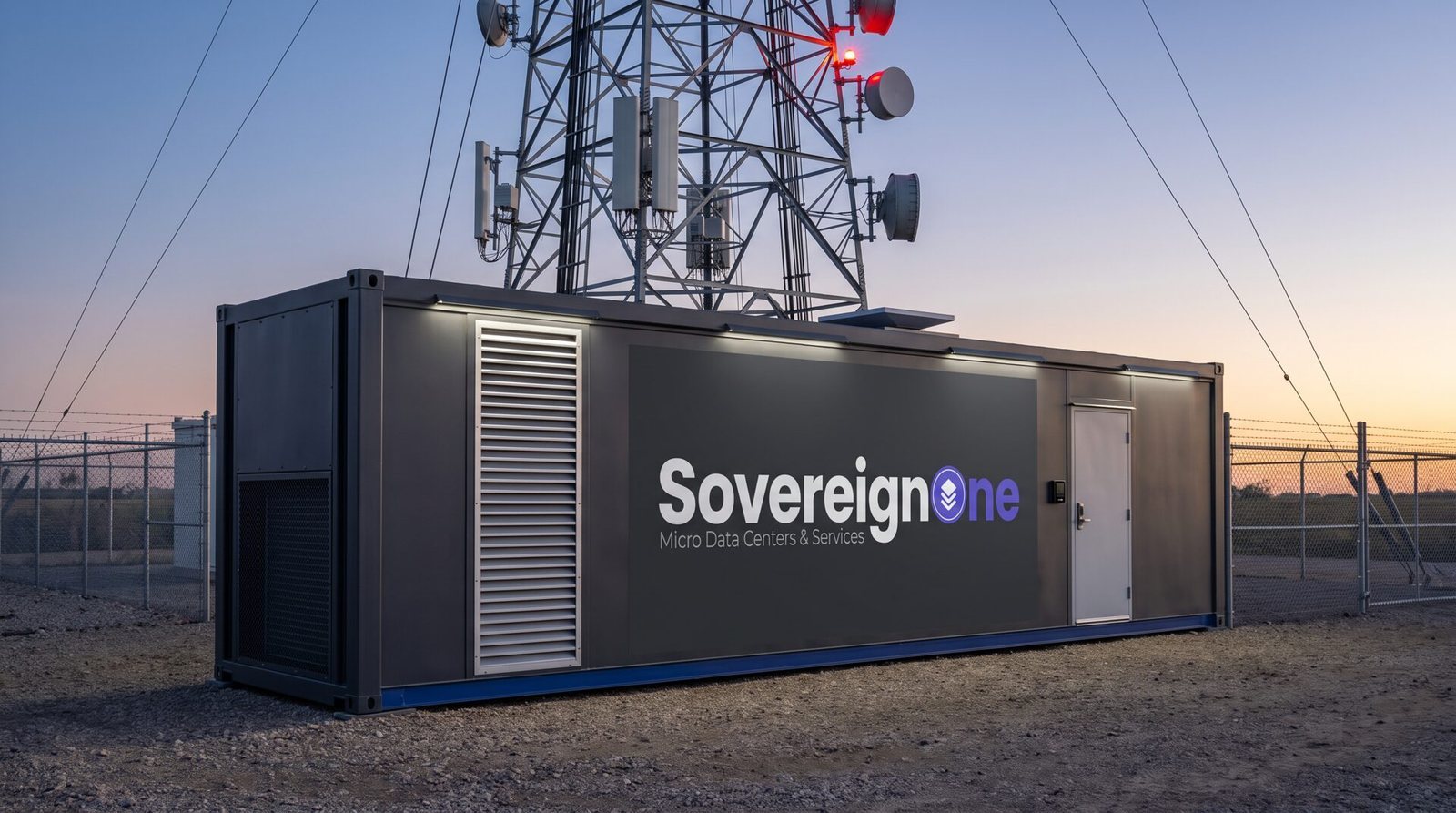
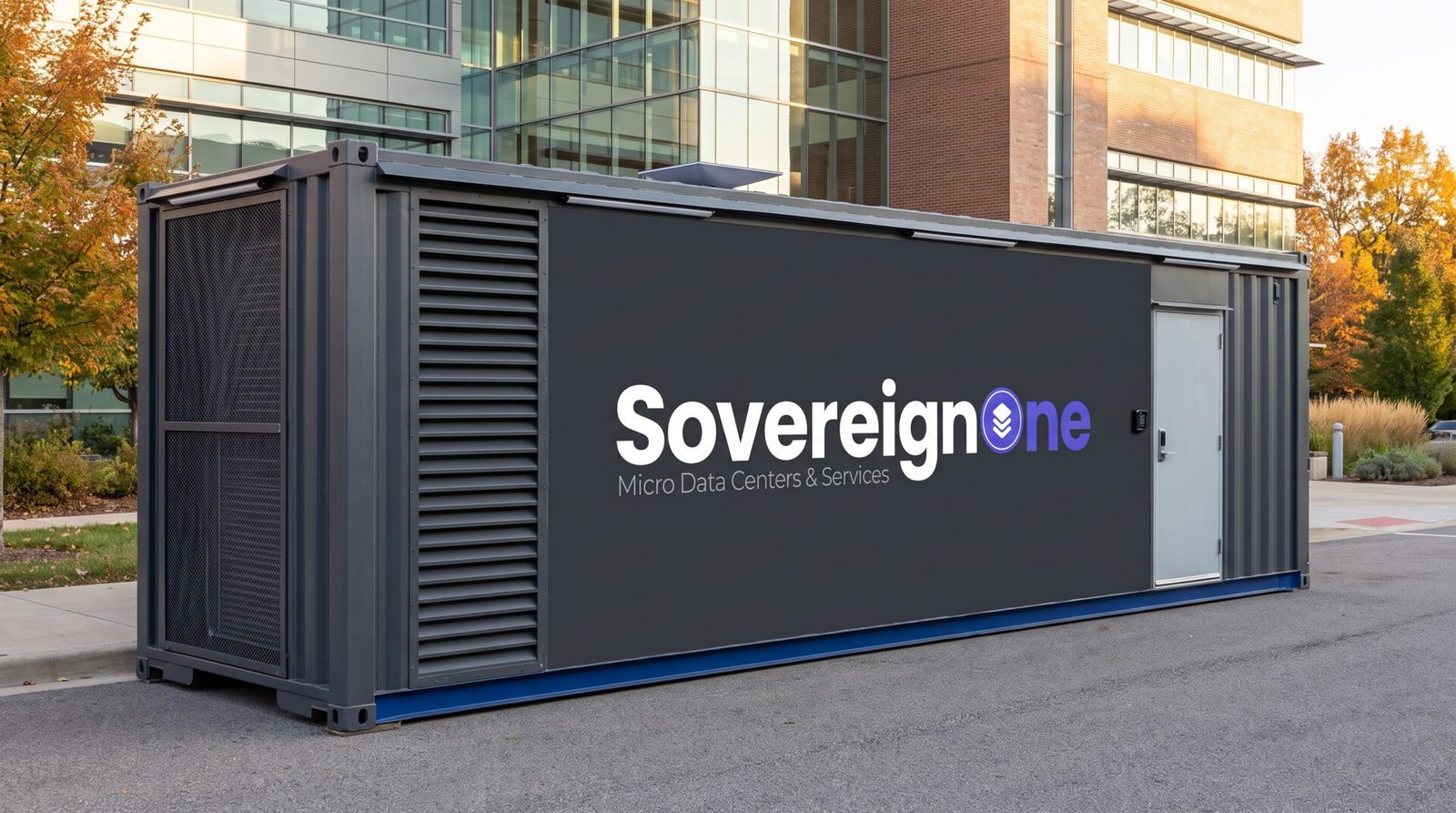
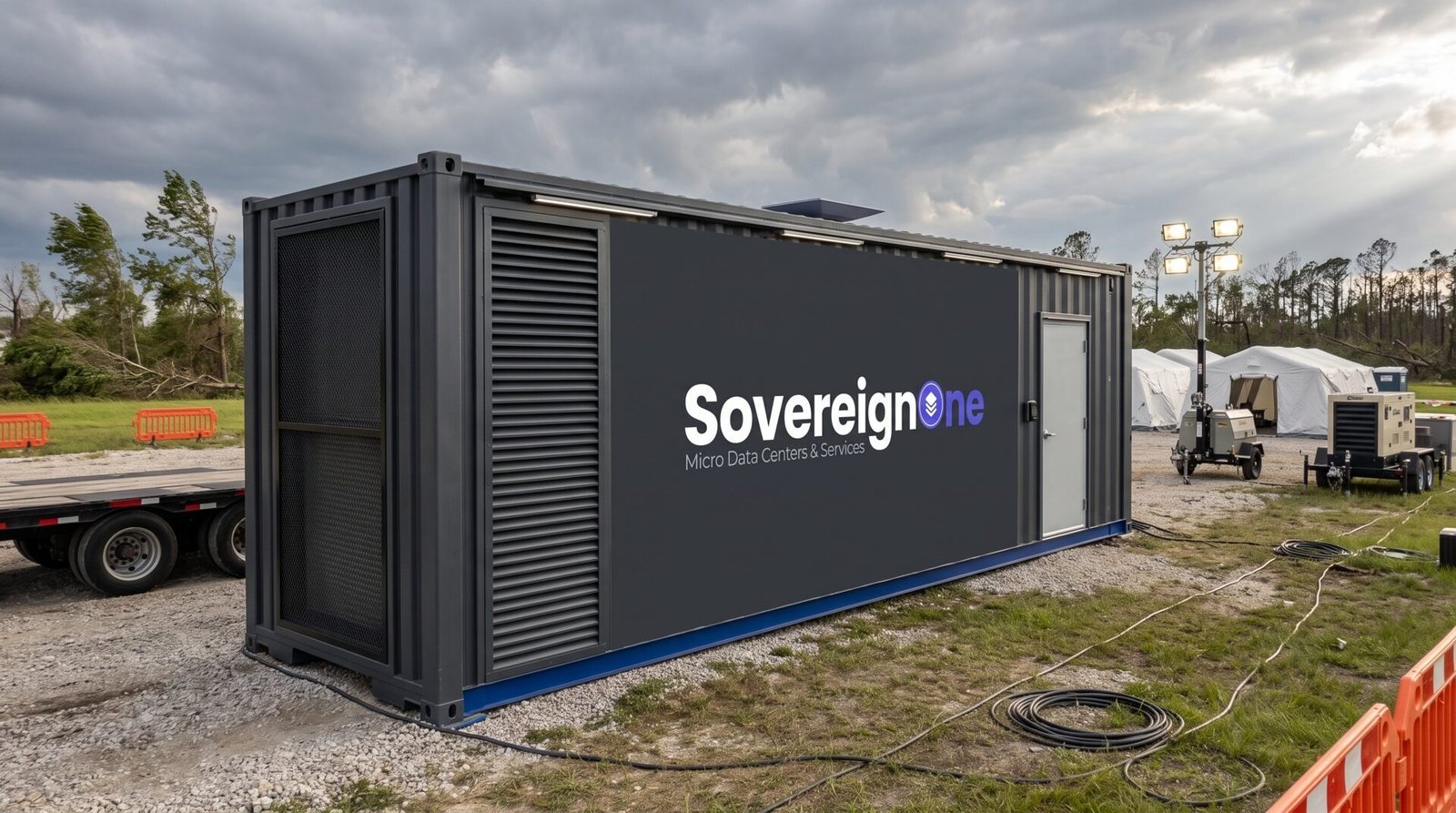
An edge data center puts capacity where the work happens. The same unit is specified differently for a mine, a hospital campus or a telecom aggregation site, but the architecture underneath does not change.
Industries differ in what they compute, not in why they need an edge data center. In every case the data is produced somewhere that was not designed around a server room, it is too large or too time-critical to move comfortably, and the site has power and ground before it has floor space.
The five lengths cover a wide range of deployments without changing the underlying design: 7 ft with a single rack at a nominal 125 kW, 12 ft with two racks at 250 kW, 20 ft with five racks at 500 kW, 40 ft with ten racks at 1 MW, and 52 ft with fourteen racks at 1.25 MW. Every length shares the same cooling, power and security design, so an engineering review completed for one deployment holds for the next.
Siting is a question of power and ground rather than construction. A conventional build runs two to five years from permit to energised; a SovereignOne edge data center runs four to six months from survey to live load, which is what makes the same approach workable across a mine, a hospital campus, a distribution centre and a cell cluster.
Cooling is where most of the saving sits. The design reduces power and water used for cooling by 30% against a conventional air-cooled hall. On constrained sites, available utility capacity rather than floor space is usually what limits a deployment, so that reduction often decides whether a site can host the load at all.
The sector pages that follow describe what changes between them: the workloads that justify an edge data center, the site conditions it has to tolerate, and the way capacity tends to grow once the first unit is in place. What stays constant is the unit itself, which is why an organisation operating across several of these sectors does not end up with several different architectures.
Capacity is added the same way it was installed. A second unit is specified against the same design, set beside the first and joined into one continuous white space, so growth stays a procurement decision rather than a new construction project.
Each unit is integrated from established platforms — CDW, Vertiv, Penguin Solutions, Motivair, Dell, Supermicro, Connected Power, NVIDIA — rather than bespoke hardware. SovereignOne is a Liberation Technology Services company, and Liberation Technology Services Inc. is a WEXMAC prime contract holder.
Common Questions
Questions about edge deployment.
Why deploy compute at the edge instead of in a central data center?
Because the constraint is rarely compute itself — it is distance, connectivity, power or permitting. Processing data where it is produced removes the dependency on a link back to a central facility.
Does the same unit serve very different sectors?
Yes. One platform covers compute that has to move with a mission, a hospital that cannot renovate a floor, a remote site with no dependable fibre, and a government that needs workloads to stay inside its own border. The siting and the workload change; the architecture does not.
My sector is not listed. Does that rule it out?
No. These pages describe typical deployments, not the limits of the platform. If the constraint is power, space, latency or control of your own data, the same unit applies.
Not listed, but the same problem?
If the capacity has to sit where the data is, the answer is usually the same shape. Send us the site and the load.